
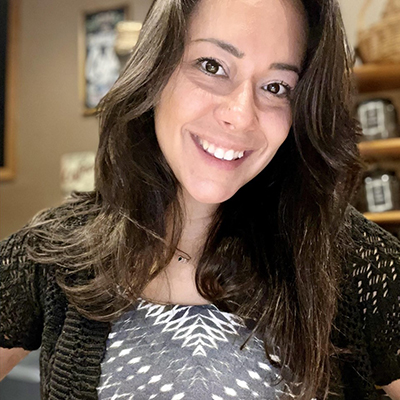
Colette Ruscheinsky, GHRAD Research Associate
What is most interesting or unique about your research?
Working as a Digital Oral History Archivist is an incredibly unique research position because I document and preserve history simultaneously. By gathering first-hand testimonies from genocide survivors, we can maintain authenticity through lived experience. But gathering the stories is just the first step. Then, the work is taken a step further by ensuring that each testimony is preserved on an online repository known as the NEIU Commons. This process safeguards stories and grants accessibility to future generations. These testimonies are more than a body of research. They are acts of resistance, truth-telling, and historical preservation.
What do you value most about being part of GHRAD?
The gratitude that GHRAD has brought into my life is immeasurable. I carry immense gratitude for the survivors who choose to share the most painful and haunting parts of their lives with GHRAD. I fear I cannot adequately express how grateful I am that these individuals have opened their hearts so that the world may bear witness to the 1972 Genocide of Burundi. If these survivors are willing to put their trust, courage, and willingness to speak the truth, it is a profound act of strength that I will honor with humility and reverence.
What originally drew you to your field of study?
I was drawn to this work because it felt like a once-in-a-lifetime calling- as if history reached out, took me gently by the hand, and invited me to sit down and listen. To gather and preserve these testimonies is to pull up a chair at the edge of a nation's memory and witness its full story unfold- the beauty, traditions, and love that shaped a community alongside unimaginable violence, loss, and genocide that scarred them. It is an honor beyond measure, and it must be treated as such.