
GHRAD Voices: Perspectives on Genocide, Human Rights, and Healing
Welcome to the official blog of the Center for Genocide and Human Rights Research in Africa and the Diaspora (GHRAD) at Northeastern Illinois University. Established in 2020, GHRAD is dedicated to rigorous academic inquiry into the history and present-day manifestations of genocide and human rights violations across Africa and the Black Diaspora. We are committed to decolonizing these vital discourses by drawing on African knowledge systems—particularly Ubuntu philosophy, which recognizes our shared humanity and interconnectedness—to shift the focus from individual scholarship to community-centered action and prevention. Here, we share insights from our research, amplify survivor voices, challenge dominant narratives, and explore pathways toward justice and healing. Whether you are a scholar, educator, student, survivor, or advocate, we invite you to join this conversation. To launch the blog, we have invited our GHRAD team members and student researchers to share what draws them to this work and what they value most about this vital mission.
Posted: 12/17/25
What is most interesting or unique about their research?
Research Team and Founding Members
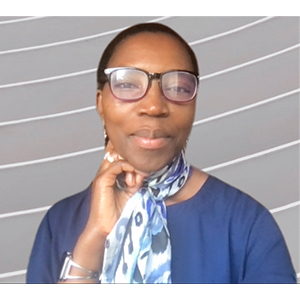
Dr. Jeanine Ntihirageza, Founding Director
What makes my research unique is that I bring together three dimensions that are rarely combined: I am a survivor of the 1972 Burundi genocide, a trained linguist, and a scholar committed to centering African epistemologies in genocide studies. This positioning allows me to bridge the deeply personal and the rigorously academic. I'm particularly interested in how language shapes memory and silencing, i.e., how atrocities are erased not just through physical destruction but through linguistic and narrative erasure. My work on Ubuntu philosophy offers an alternative framework for understanding justice, healing, and reconciliation that emerges from African thought rather than Western models. Perhaps most importantly, I'm committed to ensuring that survivors' voices, especially those from the African continent whose stories have been systematically silenced, become central to how we understand and prevent mass atrocities.
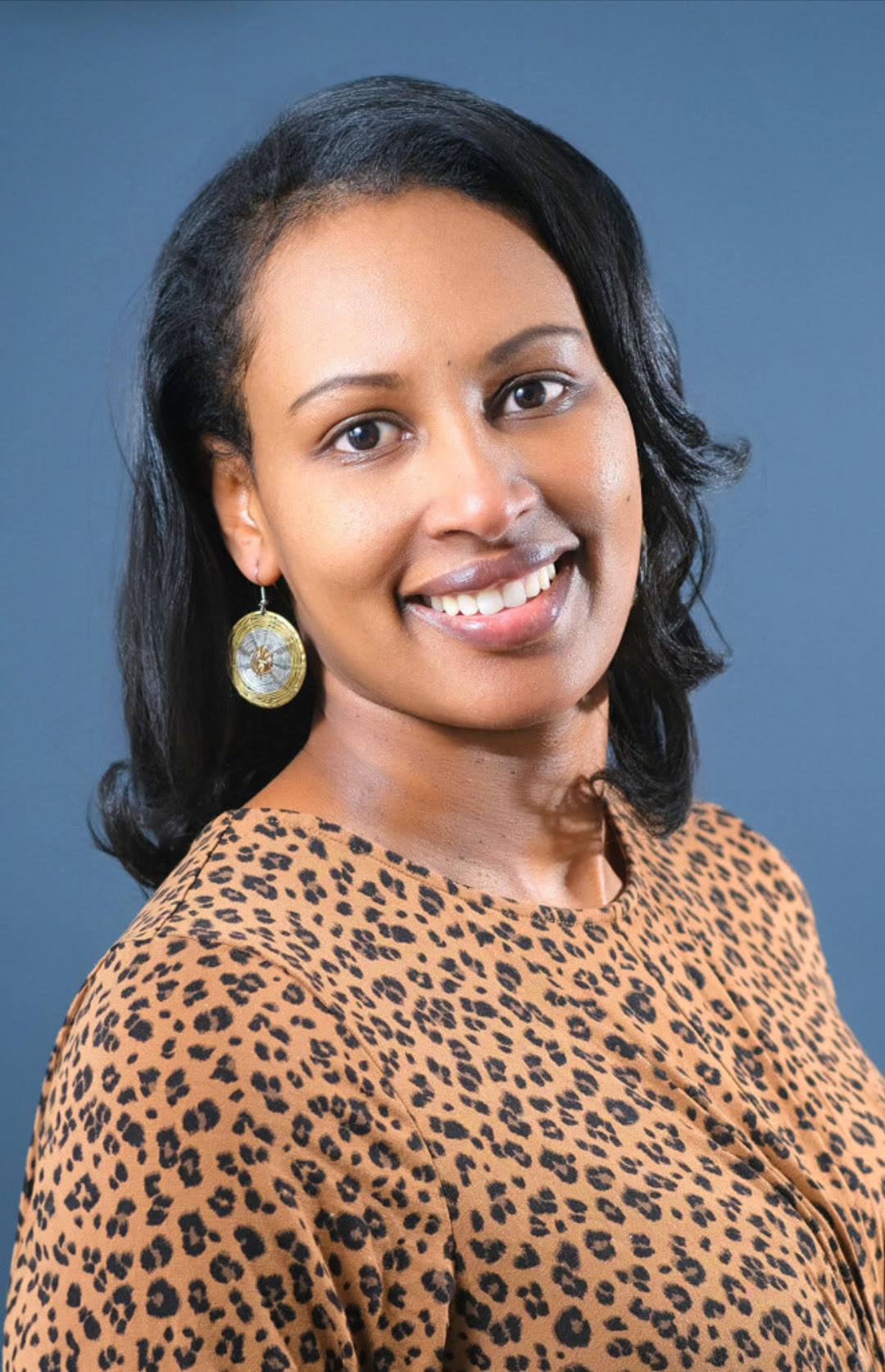
Dr. Aissetu Barry, GHRAD Associate Director and founding member
What’s most interesting about my research is its decolonial grounding. I focus on how knowledge, power, and practice intersect in social work—particularly in relation to migration, community development, and survivor well-being. My work challenges Eurocentric frameworks by centering Indigenous knowledge systems, local voices, and asset-based approaches. I’m deeply interested in how communities define their own strengths and pathways to healing, rather than being defined by deficit models. Through this lens, I aim to reimagine social work as a discipline that not only serves communities but learns from them.
Dr. Sharon L. Bethea, founding member
My research is grounded in an Africa-centered, community-centered epistemology, drawing on the tenets of African/Black Psychology, and storytelling methodologies. I utilize an African-centered genocide framework that overstands that the trans-Saharan and trans-Atlantic trafficking and terrorizing of African peoples, colonialism/neo-colonialism, and contemporary structural and state violence is a continuum of genocide across the African continent and its diaspora. Unlike most Eurocentric paradigms that collapse African genocide into generic models, my work refutes such conflation because Eurocentric models obscure distinct historical contexts, perpetuate invisibility, and undermine global accountability. I argue that genocide in African contexts is not only the destruction of bodies; it is also an assault on collective memory, language, spirituality, land, resources, and knowledge systems, disrupting intergenerational transmission of identity, history, and belonging.

Dr. Jermaine Mccalpin, founding member
My research is situated within the interdisciplinary field of transitional justice, which interrogates how societies emerging from conflict confront and attempt to redress historical wrongs. At its core, transitional justice engages the normative and practical question of how communities reckon with legacies of violence in ways that foster accountability, reconciliation, and the reconstitution of social trust. Within this domain, my work concentrates on two principal mechanisms—truth commissions and reparations—as instruments for addressing the aftermath of mass atrocities. What distinguishes my research is its comparative orientation: I examine these mechanisms across both African and American contexts, with primary case studies in Burundi, Namibia, and the genocides of Indigenous peoples in the Americas. By juxtaposing these geographies, I seek to illuminate both the convergences and divergences in how societies conceptualize justice, thereby contributing to a more global theorization of transitional justice and its capacity to confront the enduring consequences of genocide.
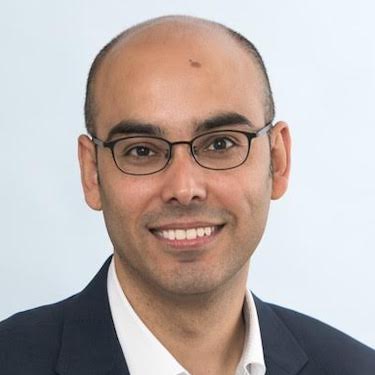
Dr. Manar Mohaisen, founding member
I am with the Department of Computer Science. My research is at the intersection of cybersecurity and AI. Keeping people digitally safe and secure, and emphasizing the ethical use of generative AI, is at the core of my research. My research also focuses on the applications of social network analysis in education and business.
Defending the IT infrastructure and individuals against malicious actors, developing ethical AI systems, and building connected educational networks are always interesting and evolving research topics.
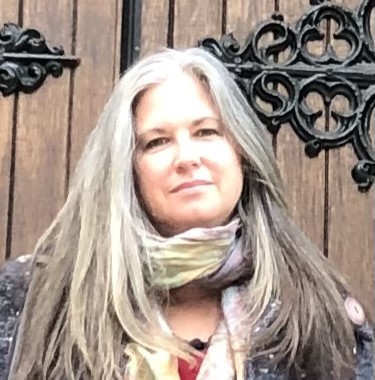
Dr. Lisa M. Simeone, founding member
As an ethnographer, I pay attention to how people create worlds in relation to one another. This entails an interest in how we interact and enact our everyday lives, as well as the embodied language – discursive and gestural – with which we share our impressions, formulate our ideas, and tell our stories. As a participant in these activities and practices, I can’t assume that I occupy a standpoint external to what I observe. Though a.rigorous attempt at objectivity is important, an anthropologist must also situate her inquiry within an historical and ideological context that saturates her perspective. In this regard, my research is an interpretive exercise that seeks to illuminate features of our shared existence in a way that honors the mystery of others, accepting the limitations of my own knowledge.
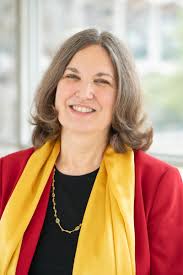
Dr. Chris E. Toffolo, founding member
Doing the live interviewing of those who suffered and survived the 1972 genocide in Burundi ... speaking with people first hand.
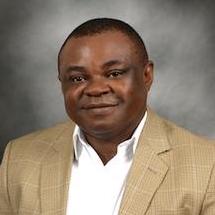
Dr. Isidore A. Udoh
I believe my research is unique and interesting because it enables me to interact first-hand with individuals and communities who are directly caught up in the toxic confluence of desertification, violence, oil pollution, and climate change in Nigeria. I have had the privilege of collaborating with many of these people/communities to reflect on the sources of these challenges and to develop and implement bottom-up solutions.

Dr. Ibe-Lamberts Kelechi
My research focuses on the transnational connections that immigrants maintain with their homelands and how these connections influence their attitudes and behaviors in their new countries. Specifically, when examining the Black population, the unique history of migration and the displacement of both African Americans and African immigrants makes this topic particularly significant. I concentrate on overlooked populations, such as African immigrants, and within this already marginalized group, I also explore sub-groups that are often overlooked.
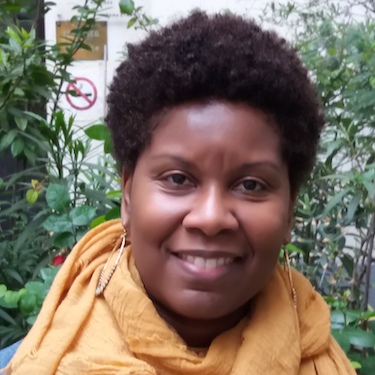
Nadège Veldwachter, founding member
My research intersects Black and Jewish studies through a Caribbean lens on the Holocaust. I focus on Haiti’s asylum offer to Jewish refugees during World War II, exploring its national impact through the interactions between Jewish and Haitian communities. Regionally, I examine Hispaniola, where the Dominican Republic made a similar offer shortly after the massacre of thousands of Haitians ordered by dictator Rafael Trujillo on the border with Haiti. This context underscores the complex overlapping of antisemitism in Europe and anti-Blackness in the Caribbean. On a global scale, I analyze why the U.S. government opposed Haiti’s proposal, which limited Jewish refuge to around 250 people. This work is unique because Haiti is often overlooked as a pertinent site in WWII history and seldom seen as aligned with democratic or humanitarian values, mainly due to its portrayal in media as politically and economically unstable. My aim is to contribute new narratives about Haiti and engage with scholars committed to decolonial frameworks.
GHRAD Center Staff and Student Research Assistances
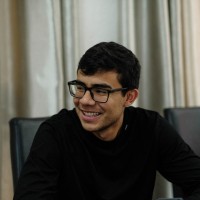
Camilo Saavedra
Currently, I'm focusing on studying community-led development initiatives as a tool to rebuild economic livelihoods and social cohesion in post-conflict societies. My ultimate goal is to produce knowledge that enables these types of programs to be successful in such challenging scenarios and create a framework that guides policymakers to replicate them, creating pathways for affected communities towards economic and social recovery.
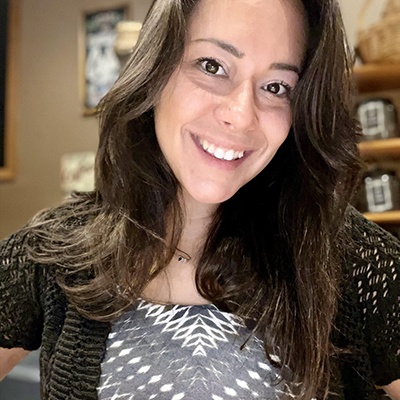
Colette Ruscheinsky
Working as a Digital Oral History Archivist is an incredibly unique research position because I document and preserve history simultaneously. By gathering first-hand testimonies from genocide survivors, we can maintain authenticity through lived experience. But gathering the stories is just the first step. Then, the work is taken a step further by ensuring that each testimony is preserved on an online repository known as the NEIU Commons. This process safeguards stories and grants accessibility to future generations. These testimonies are more than a body of research. They are acts of resistance, truth-telling, and historical preservation.
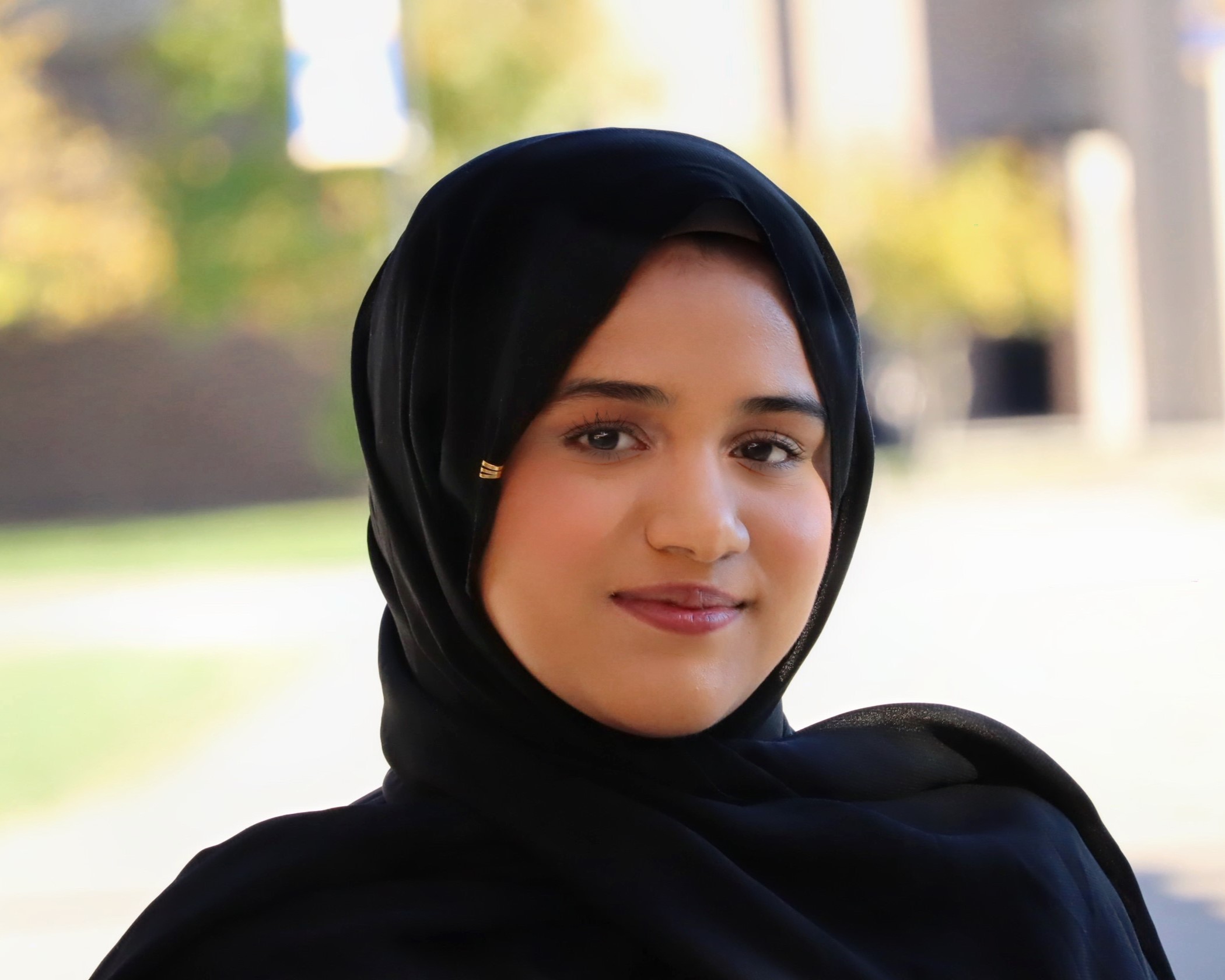
Maheen Syeda
I focus on using technology and design to tell human stories, especially ones that risk being forgotten. Through the Global Blackness project and other GHRAD digital projects, I’ve seen how interactive tools can turn research into something living, something that connects with people instead of just sitting in a paper or report.
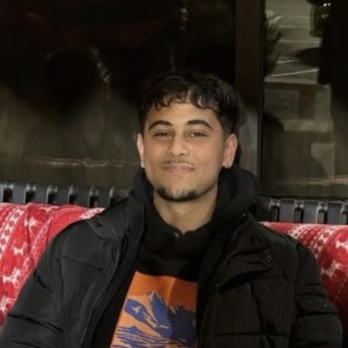
Zayn Jafri
What makes my research stand out is that every testimony feels like its own world. No two stories sound the same, and each survivor remembers things in their own way. When I work on a testimony, I feel like I am stepping into someone’s life for a moment. My job is not to change anything or make it dramatic. I just try to present their story in a way that feels honest and respectful, so people can understand it the way the survivor meant it. That balance of being present but not overpowering the story is what makes the work unique to me.
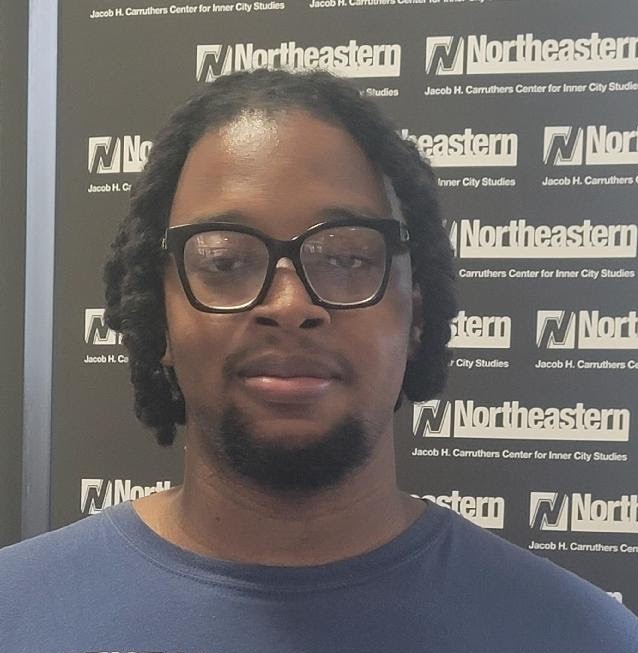
Yosef Israel
The most interesting part of my research is expanding my knowledge base as well as expanding my worldview. I get to learn about different cultures and their diverse backgrounds as well as their history.
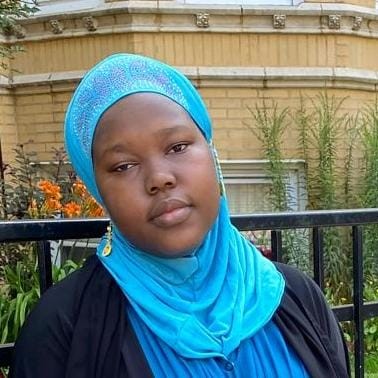
Alia Bukuru
What I find most interesting about my work is listening to survivors' stories in kirundi and learning from the way they share their experiences in their own narrative language. Through, subtitling, I help carry that meaning into English so their stories can reach and be understood by a wider audience.